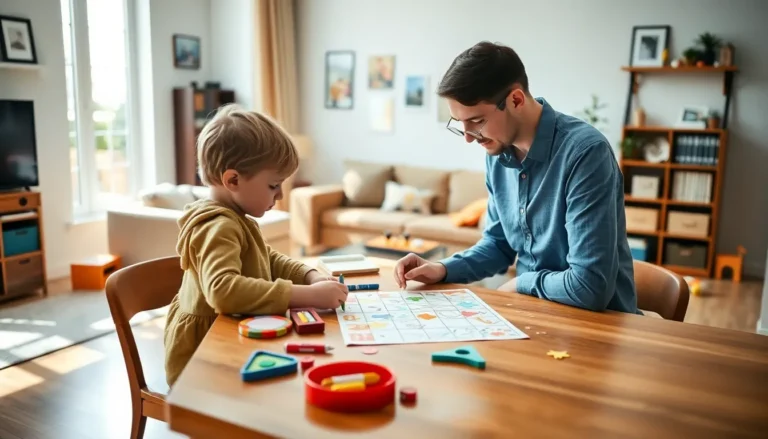
In the chaotic world of school discipline, traditional methods often resemble a game of whack-a-mole—address one issue, and two more pop up. But what if there’s a better way? Enter the Collaborative Problem Solving (CPS) approach, a refreshing alternative that transforms behavior management into a team sport. Instead of punishment, it fosters understanding and cooperation, turning students from reluctant participants into eager problem solvers.
Imagine a classroom where misbehavior isn’t met with detentions but with discussions. This innovative method not only addresses the root causes of behavioral issues but also empowers students to take ownership of their actions. With CPS, educators can ditch the outdated playbook and embrace a strategy that’s as effective as it is engaging. It’s time to swap the old-school discipline tactics for a collaborative approach that promises to reshape school culture for the better.
Table of Contents
ToggleOverview of The School Discipline Fix
The School Discipline Fix addresses fundamental flaws in traditional disciplinary methods, focusing on shifting from punitive measures to collaborative strategies. This approach emphasizes understanding behavioral issues rather than merely reacting to them. Through the Collaborative Problem Solving model, educators work closely with students, fostering a partnership that encourages accountability and growth.
Behavioral challenges are met with conversations instead of detentions. Students express their thoughts and struggles, leading to a clearer understanding of underlying issues. Communicating openly fosters empathy and cooperation among all parties involved. Teachers learn to identify the specific skills that students might lack, which helps in tailoring interventions effectively.
Schools implementing this approach experience a significant reduction in suspensions and expulsions. Data indicates that CPS can decrease behavioral incidents by as much as 50%. A shift to this model transforms school culture, promoting a supportive environment where students feel safe to express themselves. Engagement increases as responsibilities shift from teachers assigning punishment to students participating in solutions.
Training staff in CPS techniques enhances their skills in conflict resolution and communication. Positive interactions between teachers and students pave the way for improved relationships, contributing to a more harmonious school atmosphere. Adopting this comprehensive approach provides lasting benefits for students and educators alike. Schools embracing the School Discipline Fix cultivate an environment conducive to learning, respect, and personal growth.
Key Principles of Collaborative Problem Solving
Collaborative Problem Solving (CPS) relies on several core principles that set it apart from traditional discipline methods. These principles focus on fostering understanding and cooperation among students and educators.
Empathy and Connection
Empathy stands at the heart of the CPS approach. Building genuine connections between students and teachers enhances trust and openness during conversations. School environments flourish when educators actively listen to students’ feelings and perspectives. Acknowledging emotions paves the way for students to express their challenges without fear of punishment. Schools that adopt empathy-focused practices create a supportive atmosphere where behavioral issues become opportunities for growth rather than reasons for discipline.
Problem Identification
Identifying the root causes of behavioral challenges proves essential in the CPS framework. Educators collaborate with students to pinpoint specific factors contributing to disruptive behaviors. Engaging in open dialogues allows students to share their struggles and frustrations freely. Understanding the underlying issues leads to effective strategies tailored to each student’s unique needs. Targeted problem identification promotes accountability and encourages students to participate in their own learning and behavioral development. This systematic approach lays the foundation for lasting positive change within the school culture.
Implementing Collaborative Problem Solving in Schools
The Collaborative Problem Solving (CPS) approach integrates understanding and cooperation to change student behavior effectively. This method requires commitment from educators and administrators to foster positive school environments.
Steps for Successful Implementation
Begin by training staff on CPS techniques to equip them with necessary skills. Create a school-wide framework that emphasizes dialogue over punishment. Establish regular team meetings that allow educators to share insights and strategies. Encourage collaboration between teachers and students to identify behavioral concerns. Involve families in the process, enhancing communication and support systems. Evaluate progress regularly through data collection on behavioral incidents, ensuring continuous improvement.
Overcoming Common Challenges
Resistance to change can occur when shifting from traditional methods. Address this by fostering open discussions about the benefits of CPS among staff. Some educators may feel unsure about their ability to implement this approach. Offering ongoing professional development can help build confidence and competence. Initial skepticism from students and parents may arise, requiring clear communication of the benefits of collaborative methods. Facilitating open forums can alleviate concerns and encourage participation. Addressing these challenges leads to a more cohesive implementation of CPS in schools.
Case Studies and Success Stories
Schools adopting the Collaborative Problem Solving (CPS) approach report substantial improvements in student behavior. For instance, a middle school in California witnessed a 50% drop in behavioral incidents within the first year of implementation. Staff members noted that fostering open conversations created a more supportive environment for students.
Another example comes from a high school in New York, where collaboration between teachers, students, and families led to a significant decrease in suspensions. The school emphasized creating partnerships to recognize underlying issues causing disruptive behavior. Students began to feel more accountable for their actions, resulting in a more engaged and respectful student body.
In a suburban district, educators integrated CPS strategies into their daily routines. By establishing regular problem-solving circles, they effectively involved students in discussions about their challenges. This led to improved communication skills among students, enhancing their ability to express themselves constructively.
A successful case study from an urban school highlighted the importance of training staff in CPS techniques. Professional development sessions equipped teachers with the tools needed to handle conflicts empathetically. With improved conflict resolution abilities, teachers built stronger relationships with their students, contributing to a positive school climate.
Data from multiple districts shows a remarkable trend; schools using CPS experienced considerable reductions in expulsions. Transforming discipline from punitive methods to collaborative dialogues enabled educators to address the root causes of behavioral issues effectively. This shift not only fosters personal growth among students but also enhances overall school culture.
These success stories underscore the effectiveness of the CPS approach. Schools prioritizing collaboration over punishment create environments where students thrive and feel secure in expressing their thoughts and struggles. The available evidence paints a clear picture: embracing CPS can fundamentally change school discipline for the better.
Embracing the Collaborative Problem Solving approach can revolutionize school discipline. By prioritizing understanding over punishment, educators foster an environment of trust and cooperation. This method not only addresses the root causes of behavioral issues but also empowers students to take ownership of their actions.
As schools shift towards CPS, they can expect to see significant improvements in student behavior and overall school culture. The success stories and data reflect a promising future where students feel safe and supported. In this collaborative atmosphere, both educators and students can work together to navigate challenges and promote lasting positive change.