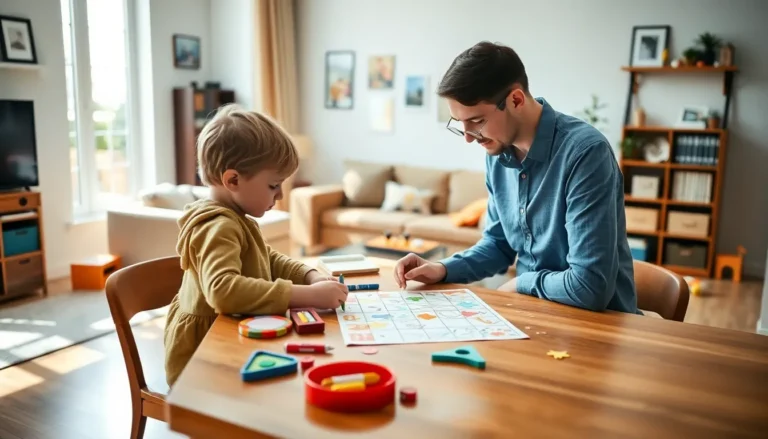
Struggling with how to encourage positive behavior at home? You’re not alone. Many parents juggle the everyday chaos of managing their children’s actions while trying to instill good habits. Enter the discipline behavior chart, a fun and visual way to guide behavior and provide motivation. But let’s be real: a little chart won’t magically make kids behave like angels. It takes creativity, consistency, and a dash of humor. So gear up for some ingenious ideas to make those charts work for your family.
Understanding The Importance Of Behavior Charts
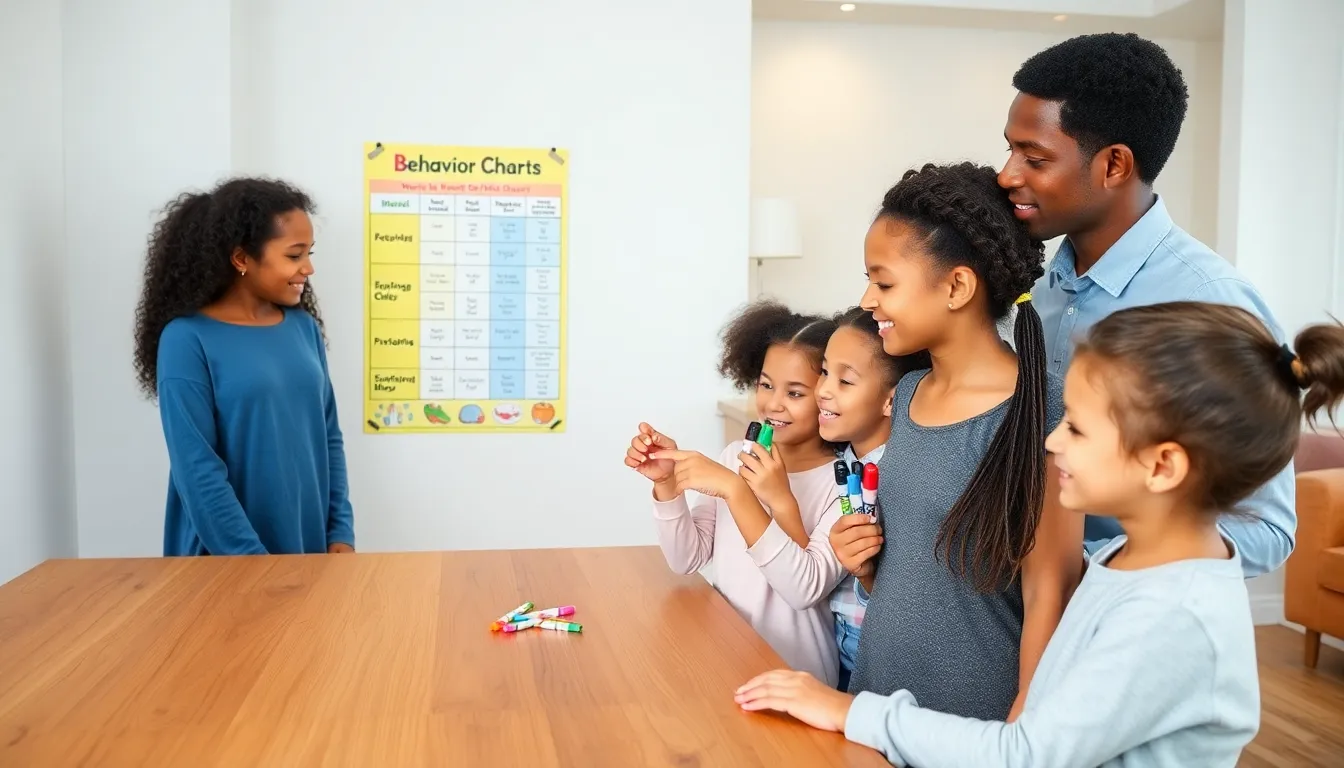
Behavior charts aren’t just trendy parental tools: they serve a crucial role. They provide a visual representation of where kids stand in terms of behavior, rewarding them for positive actions while discouraging negative ones. By using this method, kids feel empowered. They can see their progress and take ownership of their actions. For parents, these charts create a structured approach to discipline, sparking meaningful conversations about behavior and its consequences. It’s a win-win situation, really. Studies show that the act of visual tracking can boost motivation, helping children understand expectations while reinforcing desired behaviors.
Also, behavior charts are versatile. They can be tailored to individual needs, whether focusing on specific behaviors like completing assignments or brushing teeth. Overall, daily life gets a little easier when everyone knows what’s expected, making family dynamics more harmonious.
Types Of Discipline Behavior Charts
There’s no one-size-fits-all when it comes to discipline behavior charts. Here are several engaging options that can cater to different family dynamics and child personalities:
Token Economy System
This chart rewards kids with tokens for mastering behaviors like chores or school activities. After collecting a certain number of tokens, they can trade them for a reward. It’s practically the equivalent of a kid’s currency.
Star Charts
Kids love stars. Use a star chart to recognize accomplishments and desirable behaviors consistently. Whether it’s sharing toys or completing assignments, each star acts as a badge of honor, fueling their motivation to earn more.
Point System
Similar to a token economy, the point system allows children to earn points over time. Points can be accrued for good behavior and can lead to greater rewards, such as a fun day out or a special treat.
Chore Charts
This type focuses on household tasks. Kids can check off tasks as they’re completed, making them feel accomplished. Plus, who doesn’t love a tidy home?
Responsibility Calendars
These charts keep track of responsibilities like chores and assignments assignments. Kids can see their week visually, leading to better time management and accountability.
Creating Your Own Behavior Chart
Creating a behavior chart tailored to your child’s needs is both simple and fun. Here’s how you can kick off the process:
- Identify Desired Behaviors: Sit down with your child and discuss behaviors that need improvement. This could include anything from tidying up toys to respecting others.
- Choose a Style: Decide whether you want a digital chart or a good old-fashioned paper one. Customize it to reflect your child’s interests. Use their favorite colors and characters to add a personal touch.
- Set Clear Goals: Let children know what behaviors they need to work on. Specify how many tokens or stars they earn per desired behavior to establish clarity.
- Designate Rewards: Rewards should motivate kids without being excessive. Think along the lines of a movie night or a trip to the park rather than high-end gadgets. Kids need to understand the value of earning rewards.
- Review and Adjust: As time goes by, review with your child how the chart is making an impact. Adjust as necessary to keep them engaged. If they find the rewards are too easy to achieve, kick it up a notch.
Tips For Implementing Behavior Charts Effectively
Implementing behavior charts effectively requires a bit of strategy. Here are some tips to enhance their impact:
- Regularly Review Progress: Weekly check-ins keep kids accountable. These discussions create a platform for praise and constructive feedback, making it a time of encouragement rather than criticism.
- Make it Interactive: Get your child involved with decorating the chart. They should feel ownership, which fosters commitment.
- Celebrate Small Wins: Recognize achievements, even minor ones. A simple shout-out can go a long way in motivating children. Praise can be the fuel that drives them forward.
- Be Consistent: Consistency is key. Ensure the chart and its rewards are clear from the get-go. Kids thrive on routine, and knowing expectations doesn’t hurt, either.
- Stay Patient: Some days will be better than others. Encourage your child to keep working towards their goals, even if it takes time to see results.
Common Mistakes To Avoid With Behavior Charts
While behavior charts can be a powerful tool, they’re not without potential pitfalls. Avoid these common mistakes:
Overcomplicated Charts
Keep it simple. Too many rules or expectations can overwhelm children and lead to frustration. A straightforward chart produces the best results.
Inconsistent Application
Inconsistency sends mixed messages. If charts are used erratically, children may not take them seriously, reducing effectiveness. Stay dedicated.
Punishing Instead of Rewarding
Behavior charts should focus on positive reinforcement, not punishment. They’re not a tool for instilling fear: they’re meant to inspire good behavior through rewards.
Ignoring Age Appropriateness
All children are different, and what works for one may not work for another. Always keep your child’s age in mind: adjust the complexities and responsibilities of the chart accordingly.
Neglecting to Celebrate Success
Failure to celebrate achievements, big or small, diminishes motivation. Recognize strides with genuine praise and rewards.