Riddles for elementary kids are more than just a fun diversion: they’re little brain workouts wrapped in a bow of laughter. Imagine your kids giggling and gasping as they ponder over entertaining puzzles. Not only do riddles tickle their funny bones, but they also sharpen their minds. From enhancing critical thinking to boosting creativity, these delightful enigmas offer a plethora of benefits. Ready to jump into the world of riddles and see just how they can transform learning into a joyful adventure? Let’s unravel the secrets.
Benefits Of Riddles For Children
Enhancing Critical Thinking Skills
Riddles challenge children to think critically and solve problems creatively. When faced with a riddle, kids must analyze the clues given and draw conclusions. This process nurtures their cognitive abilities, encouraging them to approach problems methodically. As they navigate through tricky questions, they learn to reason out their answers and consider alternative viewpoints.
Boosting Creativity and Imagination
Nothing stirs the imagination quite like a good riddle. The best riddles encourage children to visualize scenarios or objects they might not have encountered before. By engaging creatively with the world around them, children enhance their imaginative skills. Not only does this make riddles entertaining, but it also fosters a love for creative thinking, vital for future endeavors in any field.
Improving Vocabulary and Language Skills
Riddles are fantastic tools for enhancing vocabulary. When children tackle riddles, they encounter new words and phrases, often in context. This exposure aids in understanding word meanings, nuances, and applications. Also, as they craft their answers, they practice verbal reasoning, effectively improving their language skills while having fun. It’s a win-win.
Types Of Riddles Suitable For Kids
Classic Riddles That Kids Love
Classic riddles are timeless, appealing to children’s sense of wonder. These riddles often have straightforward answers and can be shared in social settings. For instance, ‘What has keys but can’t open locks? A piano.’ such riddles provoke thought while being easy to understand.
Funny Riddles That Make Kids Laugh
There’s nothing quite like a hilarious riddle to get kids rolling with laughter. Funny riddles, like ‘Why did the bicycle fall over? Because it was two-tired.’ are memorable for their comedic twist. Laughter not only keeps kids engaged but also encourages them to share with friends, spreading the joy.
Educational Riddles For Learning
Educational riddles take learning to a whole new level. These riddles can cover various subjects, from math to science. For example, ‘I am a number. Take me away and I remain the same. What number am I? Zero.’ These riddles reinforce lessons by making education enjoyable.
Using riddles related to the material being studied encourages kids to think about subjects in a different light. They can spark curiosity and enhance retention of new concepts, making learning memorable.
How To Present Riddles To Kids
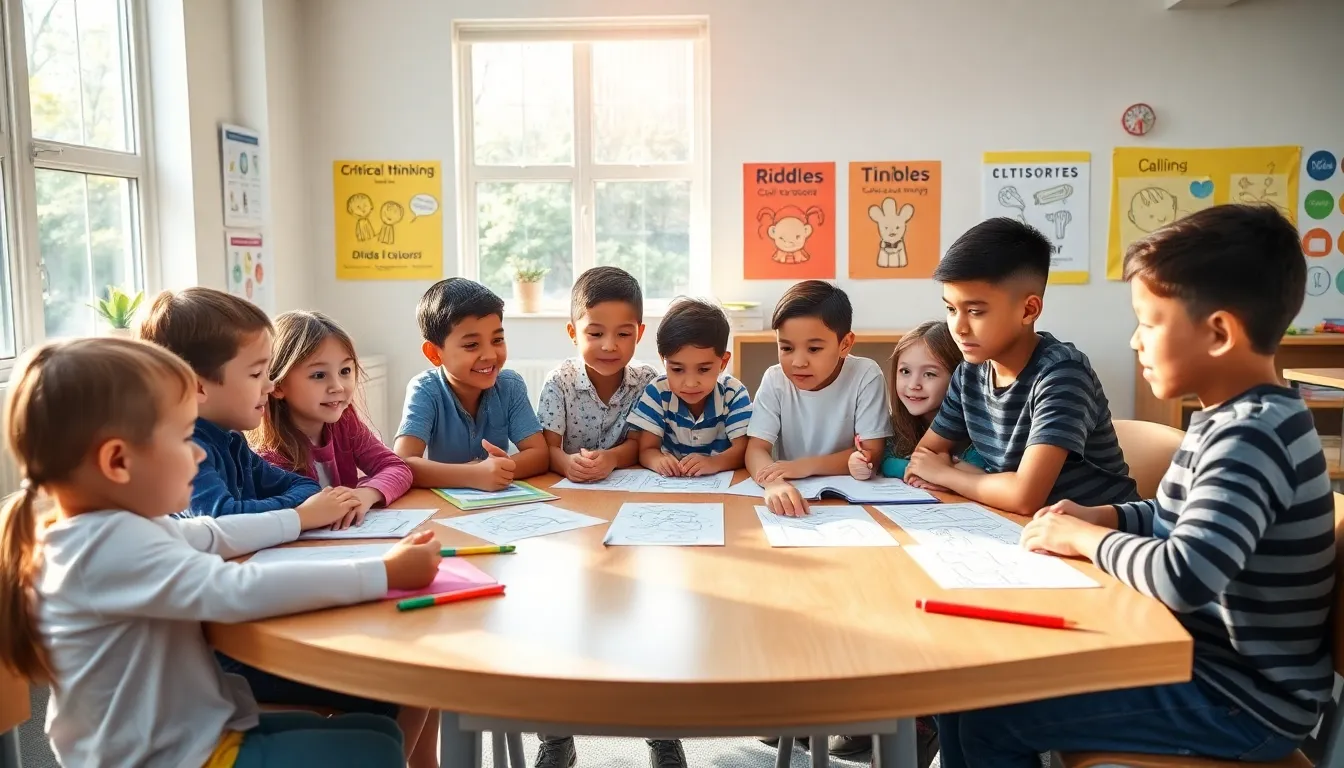
Using Riddles In Classroom Settings
Teachers can introduce riddles as ice-breakers or discussion starters. Starting a class with a riddle can grab students’ attention, setting a positive tone for learning. As students engage with the riddle, they can also collaborate in small groups to foster teamwork and communication skills.
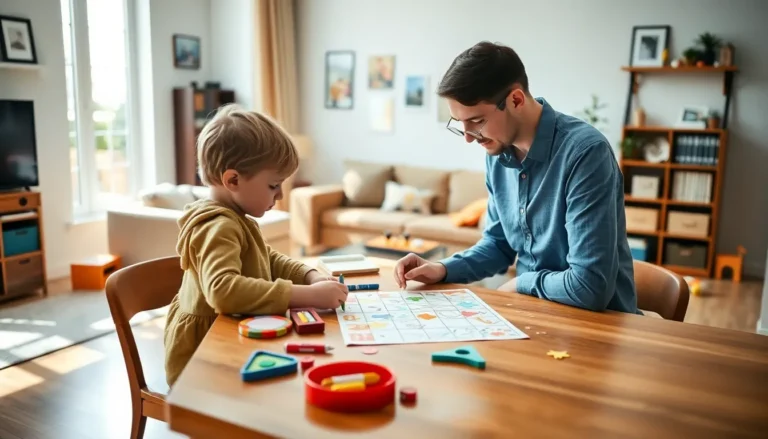
Incorporating Riddles Into Family Activities
Family game night? Riddles are a perfect way to bring everyone together. Parents can take turns posing riddles or even creating a riddle contest. This not only serves as a bonding activity but reinforces skills in a relaxed environment. The laughter shared during these moments creates lasting memories and strengthens family ties.