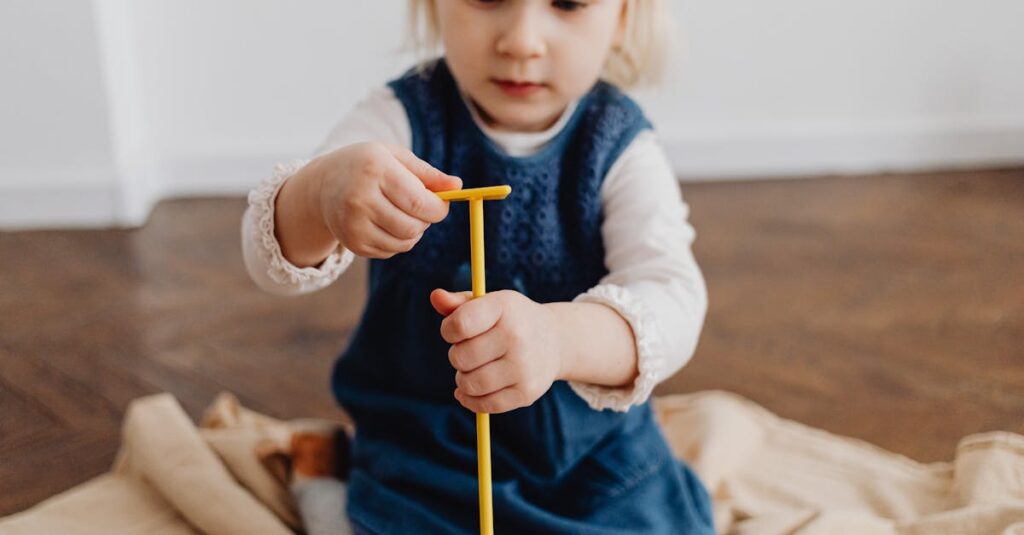
Navigating the world of toddlers can feel like walking through a minefield—one moment you’re enjoying a peaceful snack, and the next, there’s a mini tornado throwing toys everywhere. Parenting during these formative years can be both rewarding and downright chaotic. But fear not! With the right tips up your sleeve, parents can turn those tantrums into triumphs.
Table of Contents
ToggleUnderstanding Toddler Behavior
Understanding toddler behavior involves recognizing their developmental stages and the challenges parents face during this period. Effective strategies can foster healthy interactions and address common issues.
Key Developmental Milestones
Toddlers reach several developmental milestones, typically between 1 and 3 years of age. At 12 months, many begin to walk and say simple words. By 18 months, toddlers often develop a sense of independence, preferring to do things themselves. At 2 years, they may start to form two- to three-word sentences, showcasing language growth. By age 3, social skills emerge, including parallel play with peers. Recognizing these milestones helps parents support their toddlers’ progress and adapt parenting approaches accordingly.
Common Challenges Parents Face
Parents encounter various challenges while navigating toddler behavior. Tantrums frequently occur as toddlers express frustration or seek attention. Additionally, stubbornness becomes apparent as toddlers assert independence. Nighttime fears can disrupt sleep, leading to exhaustion for both parents and toddlers. Social interactions may also pose difficulties, as sharing becomes a learned behavior. Understanding these challenges equips parents to respond effectively, resulting in a more harmonious environment.
Effective Communication Strategies
Effective communication fosters better relationships between parents and toddlers. Using specific strategies can enhance interactions and support development.
Encouraging Language Development
Encouraging toddlers to express themselves builds confidence. Offer a range of vocabulary by narrating daily activities. Use simple sentences to help them grasp new words. Incorporate books into the routine; reading broadens their language skills. Engage in back-and-forth conversations to stimulate dialogue. Singing songs or reciting rhymes enhances verbal skills. Model proper pronunciation and correct gently when mistakes arise. Regular encouragement and positive reinforcement motivate toddlers to communicate more.
Listening and Understanding Your Toddler
Listening attentively is crucial in understanding toddler needs. Give full attention when they speak; distractions can hinder communication. Encourage eye contact and respond with nods or affirmations. When discussing emotions, validate their feelings to foster trust. Ask open-ended questions to prompt further expression. Recognizing non-verbal cues, like gestures and facial expressions, provides additional context. Connecting words to feelings empowers toddlers to articulate emotions effectively. Building a solid foundation of understanding aids in addressing challenges that arise during this developmental stage.
Positive Discipline Techniques
Positive discipline focuses on guiding toddlers while reinforcing good behavior. These methods promote understanding rather than punishment.
Setting Boundaries and Expectations
Setting clear boundaries helps toddlers learn appropriate behaviors. Parents can outline rules in simple language, ensuring that expectations are understandable. Establishing consistent routines also offers structure, making it easier for toddlers to grasp limits. Visual aids, like charts or pictures, can support this process. Positive reinforcement, through praise or rewards, encourages toddlers to follow the rules. When boundaries are consistently applied, toddlers develop a sense of security and trust.
Managing Tantrums and Behavioral Issues
Managing tantrums requires patience and understanding. Parents can acknowledge their toddler’s feelings, showing empathy during these challenging moments. Staying calm while validating emotions helps toddlers feel heard. Redirecting attention to a different activity can diffuse the situation. Effective techniques include maintaining a low voice and using a soothing tone. Modeling appropriate behavior teaches toddlers how to express their emotions constructively. Following up with a conversation about feelings after a tantrum supports emotional growth.
Creating a Safe Environment
Creating a safe environment for toddlers is essential for fostering exploration and growth. Parents can implement several strategies to ensure their child’s safety at home.
Childproofing Your Home
Childproofing the home prevents accidents and injuries. Parents should secure heavy furniture to walls. Installing outlet covers keeps curious fingers safe. Keeping hazardous substances, such as cleaning supplies and medications, out of reach is vital. Using safety gates restricts access to stairs and dangerous areas. Storing sharp objects in locked cabinets aids in preventing cuts and injuries. Regularly checking toys for small parts that could be choking hazards ensures play remains safe.
Safe Play Areas and Activities
Safe play areas encourage healthy development and exploration. Designating specific areas for play helps toddlers understand boundaries. Using soft mats or carpets cushions falls, while sturdy furniture provides support during play. Engaging in supervised outdoor play allows toddlers to connect with nature while maintaining safety. Choosing age-appropriate toys promotes safe play; consider selecting items that are durable and free of harmful materials. Creating organized spaces for toys simplifies clean-up and minimizes clutter. Regularly monitoring play activity fosters a secure environment for children to thrive.
Nurturing Emotional Well-Being
Creating a nurturing environment enhances toddlers’ emotional growth and resilience. Parents play a critical role in fostering emotional well-being through consistent bonding, communication, and teaching skills.
Building a Strong Parent-Toddler Bond
Establishing a strong bond requires quality time spent together. Engaging in activities like reading, playing, or cooking strengthens connections. Show affection through hugs and smiles as they cultivate feelings of love and safety. Listening actively fosters trust and opens doors to expression. Sharing daily experiences encourages toddlers to open up and communicate their feelings. Participating in family routines promotes stability and comfort. These interactions form a foundation for healthy relationships, essential during these formative years.
Teaching Emotional Regulation Skills
Teaching emotional regulation skills empowers toddlers to manage their feelings effectively. Introduce simple techniques like deep breathing to help them calm down. Use books and stories to illustrate emotions and solutions, making complex ideas relatable. Encourage toddlers to express their feelings with phrases like “I feel sad” or “I’m frustrated.” Modeling appropriate responses to stress shows effective coping strategies. Create a designated space for them to retreat when overwhelmed, offering comfort and safety. Recognizing triggers helps identify patterns, paving the way for supportive discussions on emotions.
Navigating the toddler years can be a rewarding yet challenging journey for parents. By implementing effective strategies and fostering open communication, they can create a nurturing environment that supports their child’s growth. Understanding developmental milestones and addressing common challenges helps parents respond with empathy and patience.
Establishing consistent routines and positive discipline techniques ensures toddlers feel secure while learning appropriate behaviors. Creating a safe space for exploration allows them to thrive. Ultimately, by prioritizing emotional well-being and bonding, parents can guide their toddlers through this dynamic stage with confidence and love. Embracing these parenting tips will pave the way for a harmonious relationship and a brighter future for both parents and toddlers.