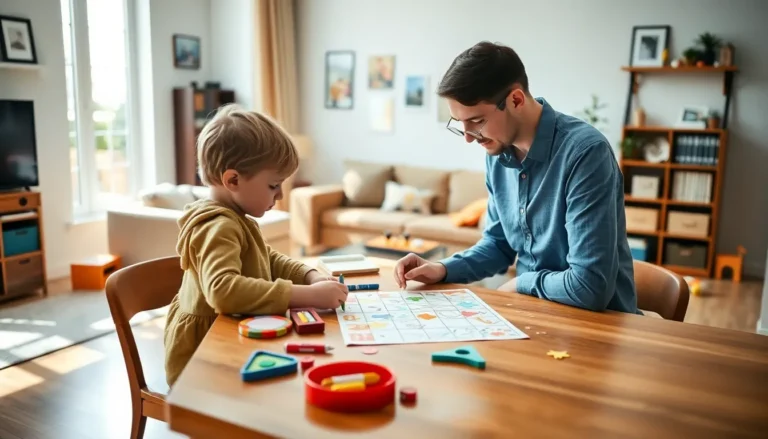
Raising a child is a bit like conducting an orchestra: it requires a fine balance and the right kind of nurturing to hit all the right notes. With an endless sea of parenting advice available, it can feel like navigating a maze. But don’t fret, this guide is your compass to successfully motivating and developing your little maestro. Whether you’re knee-deep in toddler tantrums or dealing with teenage angst, understanding child development and implementing effective communication strategies can turn the cacophony into a beautiful symphony. So, grab your baton, and let’s jump into the art of raising a child.
Understanding Child Development

The Stages of Child Growth
A child’s journey through growth is marked by several crucial stages, each with its own milestones. From the delightful babbling of infancy to the rebellious declarations of adolescence, recognizing these stages helps caregivers provide appropriate support. Infants need nurturing, toddlers crave exploration, and teenagers seek independence. Knowing where a child is on this spectrum not only informs parenting strategies but also fosters patience and understanding.
Cognitive Development
Cognitive development revolves around how a child thinks, learns, and understands the world. Engaging in stimulating activities, like puzzles or storytelling, promotes critical thinking skills. Besides, children absorb information like sponges. Hence, providing them with diverse learning opportunities can significantly enhance their intellectual growth.
Emotional and Social Development
The ability to express emotions and engage socially forms the foundation of a child’s wellbeing. Teaching empathy and encouraging friendships play essential roles here. Also, celebrating their successes, even the small ones, builds confidence, fostering a strong self-image. A child’s emotional health is just as vital as their physical health, and nurturing this aspect is crucial for their overall development.
Setting a Strong Foundation
Establishing a Safe Environment
Creating a safe environment is paramount in raising a child. Safety extends beyond physical protection: it includes emotional security as well. Parents should strive to foster a home where children can express themselves without fear of judgment. A secure base allows kids to explore their boundaries confidently.
Creating a Supportive Atmosphere
Supportive atmospheres thrive on love, patience, and encouragement. Regularly engaging in activities together, whether it’s playing games or sharing stories during dinner, reinforces bonds. Children thrive when they feel valued and understood: hence, investing time in their interests can yield tremendous dividends in their happiness and emotional health.
Effective Communication Strategies
Active Listening Techniques
Active listening involves more than just hearing the words spoken: it’s about understanding the underlying emotions. By focusing on what a child expresses, verbal and nonverbal, parents can foster deeper connections. Techniques such as mirroring their feelings and asking open-ended questions encourage children to express themselves freely, leading to enhanced communication.
Encouraging Open Dialogue
Encouraging open dialogue creates a safe space for children to voice their thoughts and concerns. Establishing regular check-ins, where children feel comfortable sharing their experiences, fosters transparency. Creating a habit of discussion paves the way for trusting relationships that can last a lifetime. The more children feel heard, the more likely they are to approach their parents with issues down the line.
Promoting Healthy Behaviors
Fostering Independence and Responsibility
Encouraging independence is a vital part of raising children who can stand on their own two feet. Implementing age-appropriate responsibilities, like chores, teaches children the importance of accountability. Let them make small choices, whether it’s picking out clothes or planning family meals. These small acts build decision-making skills over time, leading to self-reliance.
Teaching Healthy Habits and Routines
Healthy habits should be instilled early on. This can range from physical activities to healthy eating. Ensuring nutritious meals and encouraging outdoor play cultivates a balanced lifestyle. Also, establishing routines, such as a regular assignments time, can lead to better study habits and emotional stability. The key is consistency, which provides a structured framework within which children can thrive.
Navigating Challenges in Parenting
Discipline and Boundaries
Discipline doesn’t equate to punishment: rather, it’s about teaching and guiding. Setting boundaries helps children understand the consequences of their actions. Positive reinforcements, such as praise and rewards, can be much more effective than harsh punishment. Striking that balance is essential to fostering a respectful parent-child relationship.
Seeking Help When Needed
Parenting is undoubtedly challenging: there’s no shame in seeking help. Whether through parenting classes, books, or professionals, utilizing available resources can greatly ease the journey. Collaboration with other parents, counselors, or pediatricians can provide valuable insights and strategies to tackle various challenges.