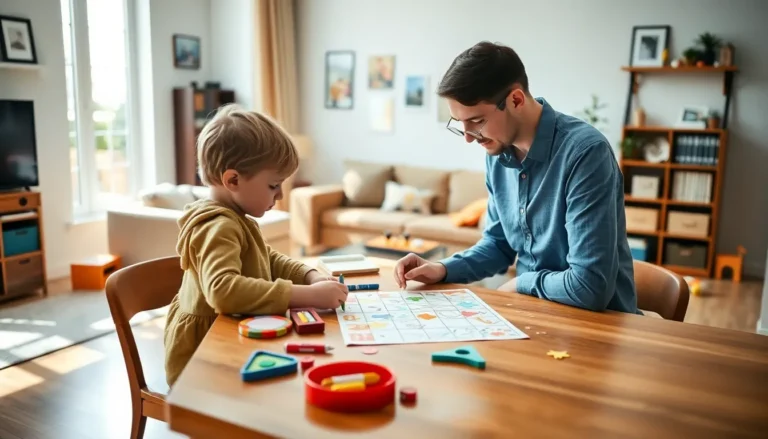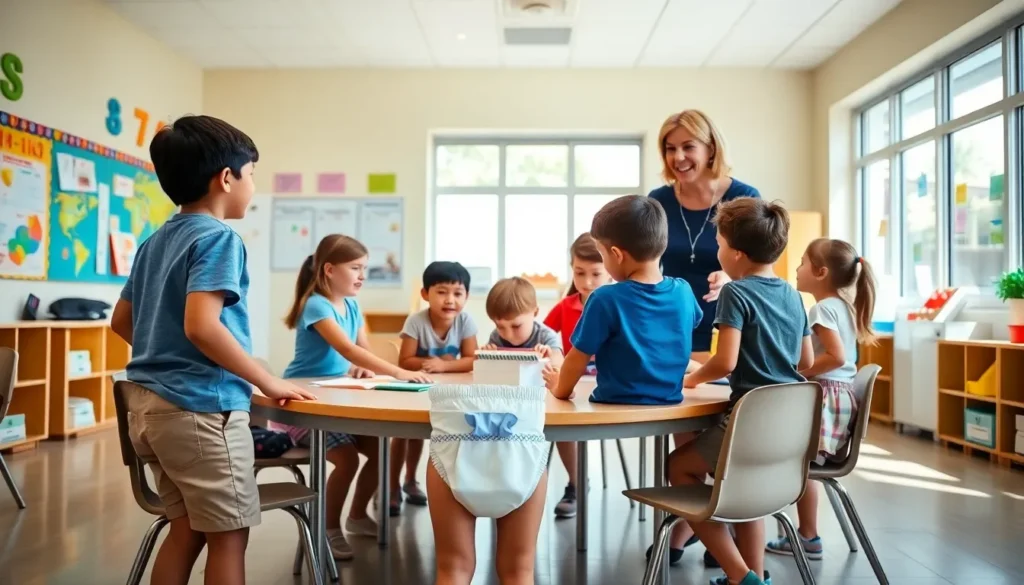
Picture this: a class full of energetic elementary school kids, but among them, a few are still wearing diapers. It might sound like something out of a sitcom, but it’s a reality for some families. So, why are older kids still sporting diapers? And how should members of the school community handle this sensitive situation? Let’s jump into this topic that may seem a bit taboo but is crucial for understanding and support.
Understanding Diaper Use Beyond Infancy
Diapers are usually associated with infancy, right? But, some older children may continue to wear them for various reasons that go beyond the traditional image of a baby in a cloth or disposable diaper. From medical conditions like bowel or bladder incontinence to developmental delays, there are numerous factors at play. Parents often face tough choices when dealing with these circumstances. They might balance discussions about hygiene with concerns about their child’s self-esteem and social interactions.
Also, societal norms play a significant role in shaping perceptions around diaper use. The stigma that surrounds older children wearing diapers can be overwhelming. Yet understanding that these situations are not as rare as people might believe can lead to a more compassionate view. Society often overlooks these challenges, leading to misconceptions and unnecessary judgment.
Reasons for Diaper Use in Older Kids
Parents of older kids in diapers might find themselves frequently explaining or justifying their child’s situation. Various reasons contribute to this choice, including:
- Medical Conditions: Some children face medical issues like spina bifida, cerebral palsy, or severe constipation, which might necessitate wearing diapers.
- Developmental Delays: Children with developmental delays or autism spectrum disorders may take longer to achieve toilet training milestones.
- Psychological Factors: Emotional trauma or stressful life events can also lead to regression in toilet training, making diapers a temporary solution.
- Special Needs: Certain special needs often mean that conventional toilet training might not be feasible. Parents typically look for practical solutions that best meet their child’s needs.
By recognizing these factors, family and friends can help create a supportive environment rather than a judgmental one.
The Impact on Socialization and Peer Relationships
When it comes to socialization, children in diapers might face unique challenges. Kids are naturally curious and tend to notice differences among their peers.
Some children might feel embarrassed or stigmatized about wearing diapers, potentially leading to social withdrawal. Meanwhile, the reactions of peers can vary dramatically, from understanding and compassion to teasing or exclusion.
In school environments where acceptance is encouraged, educators often carry out programs that promote inclusivity. They can teach understanding and empathy towards classmates with different needs, fostering a culture where every child feels valued. Parents need to prepare their children to navigate these situations. Open discussions about differences can help reduce stigma and encourage supportive friendships.
It’s important for schools to provide a safe space for all children, making sure no one feels isolated due to circumstances beyond their control.
Supporting Parents and Families
Being the parent of a child who wears diapers at an older age can be incredibly challenging. Parents often juggle numerous emotions, frustration, concern, guilt, or confusion. Understanding how to support these families can make a substantial difference.
Communities can start by fostering open lines of communication. Schools and support groups should offer resources tailored for parents, encouraging them to connect, share stories, and learn from each other. Workshops led by healthcare professionals can help parents understand different medical conditions related to incontinence, as well as strategies for supporting their children’s emotional and social needs.
Also, schools should offer accessible counseling services for both students and parents. Emotional support often plays a key role in alleviating anxiety around the subject.
Educational Approaches and Classroom Management
Teachers play a crucial role in creating an inclusive environment for students who wear diapers. Simple strategies can make a world of difference in classroom management.
- Flexibility: Teachers can provide flexible bathroom policies to accommodate children who may need extra time or have frequent accidents.
- Understanding: Ensuring all staff are educated on the reasons behind diaper use fosters empathy and understanding. This can also help prevent misunderstandings or inappropriate comments among peers.
- Privacy: Creating a respectful atmosphere around bathroom use and diaper changes is essential for helping children feel safe. Arrange for discreet changes when necessary, minimizing potential embarrassment.
- Engagement: Teachers can engage kids with developmental delays through tailored educational approaches, making classrooms truly inclusive. This might involve modified curricula or one-on-one support, helping to help learning at each child’s pace.
Resources for Educators and Parents
There are various resources available for both educators and parents navigating this sensitive topic. Here are some key resources:
- Support Organizations: Groups such as the United Cerebral Palsy, the National Autism Association, or local chapters can provide informative materials to families and schools.
- Online Communities: Websites and social media platforms have groups dedicated to support for parents dealing with diaper use beyond infancy. Sharing stories and advice can be a comforting experience.
- Educational Tools: Many organizations provide educational resources that help teachers carry out inclusive classroom strategies effectively. For example, webinars, workshops, and printable guides can be very beneficial.
- Medical Resources: Reputable medical websites offer detailed guides on incontinence, treatments, and public assistance programs available for families in need.