Ah, parenting, a glorious try filled with joy, frustration, and an unsettling amount of laundry. While no one really hands out a handbook at the hospital, certain traits signal outstanding parenting skills. You might picture super-parents or assume they have some magical ability, but the truth is much more enlightening. Good parenting skills manifest in everyday interactions, ensuring children thrive emotionally, socially, and morally. Get ready to discover some key signs that good parenting is more than just surviving the chaos, it’s about thriving within it.
Effective Communication
Establishing Open Dialogue
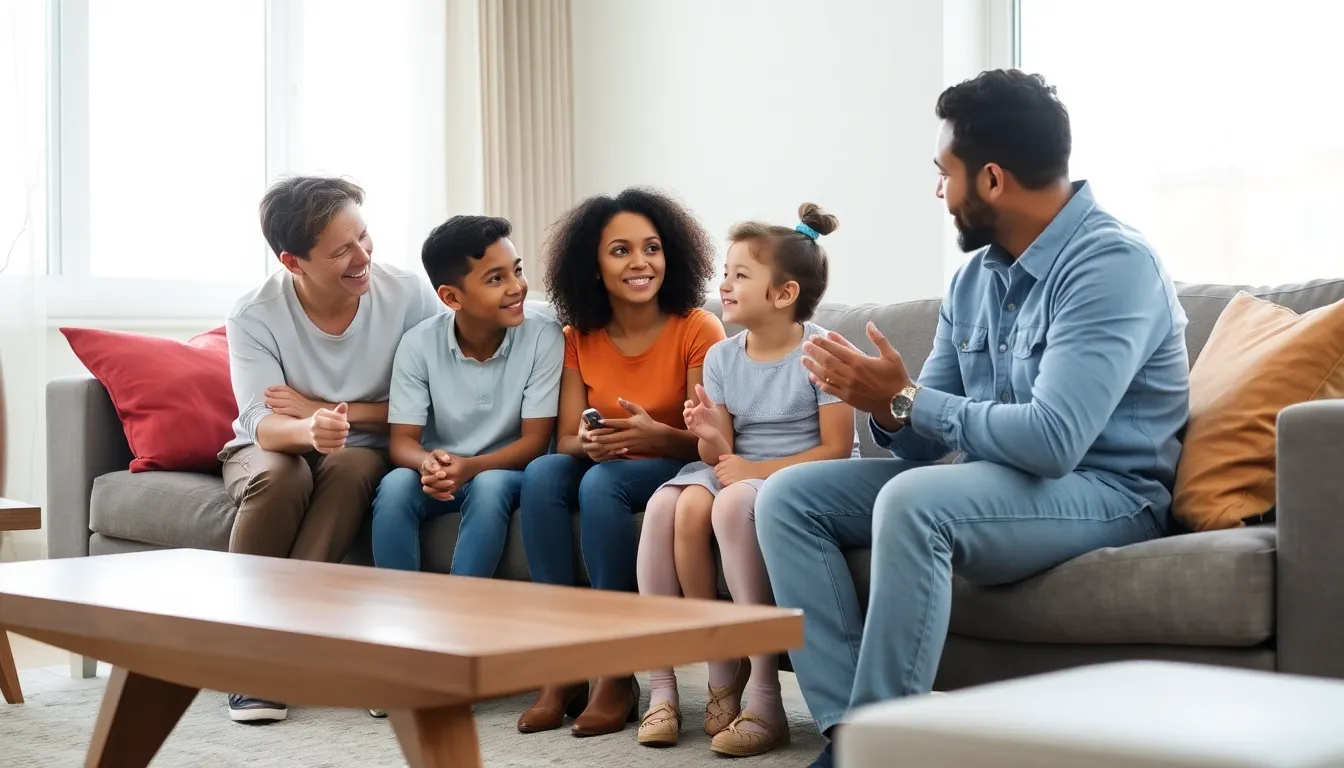
Great parenting starts with effective communication. Parents often establish open dialogue by encouraging their children to express their thoughts and feelings freely. When children feel they can approach their parents with any topic, be it a bad day at school or the complexities of their emotions, they develop trust. As the dialogue opens up, parents have the opportunity to impart wisdom and offer guidance.
Active Listening Techniques
Active listening is another critical element of effective communication. Rather than simply hearing words, good parents engage fully with what their children are saying. They nod, respond, and, believe it or not, put down their phones. When children notice that their parents are paying close attention to them, they feel valued. This creates a positive feedback loop encouraging kids to share more, enhancing mutual respect and understanding.
Promoting Emotional Expression
Emotional Intelligence In Parenting
Parents display good skills when they cultivate emotional intelligence in their children. This begins with understanding one’s own emotions and recognizing how these feelings can impact relationships. By modeling emotional understanding, parents teach their children to navigate their emotional landscapes skillfully. This not only enhances children’s self-awareness but also fosters empathy toward others.
Recognizing Your Child’s Emotions
Recognizing and validating a child’s emotions is paramount. When a child comes home upset from a playground squabble, parents who respond with empathy rather than dismissal create a safe space for emotional expression. Rather than saying, “You shouldn’t feel that way,” good parents will often say, “It’s okay to feel upset. Let me help you understand that.” In such environments, children learn that their feelings matter.
Building Strong Relationships
Quality Time Versus Quantity Of Time
In the whirlwind of daily life, the amount of time spent with children can easily dwindle. But, good parenting focuses on the quality of that time instead of sheer hours logged. Meaningful interactions, whether through cooking together or engaging in play, can lead to stronger emotional bonds. These moments foster a sense of security and trust, laying the groundwork for an open, honest relationship as the child grows.
Creating a Supportive Environment
Encouragement and Positive Reinforcement
A signature sign of good parenting involves creating a nurturing space where encouragement reigns supreme. Good parents know the power of positive reinforcement. Instead of just pointing out when a child does something wrong, they celebrate successes, big or small, fostering motivation and self-worth. This supportive environment cultivates confidence, enabling children to embrace challenges.
Teaching Resilience and Problem-Solving Skills
Setting Boundaries and Expectations
Good parenting is not just about being a friend: it involves setting clear boundaries and expectations. By establishing rules, parents provide children with a framework for understanding right from wrong. This contributes to building a resilient character, they learn limits, responsibilities, and how to maneuver challenges as they arise.
Consistent Discipline Strategies
Along with boundaries comes consistent discipline. Marking the difference between guidance and punishment is vital for effective parenting. Fair and consistent discipline helps children understand consequences without instilling fear. This cultivates a balanced view of authority and encourages children to act responsibly.
Modeling Good Behavior
Fostering Independence and Responsibility
Good parents model the behavior they wish to see in their children. This includes demonstrating responsibility in daily tasks. When children observe their parents managing various responsibilities, such as chores or financial obligations, they’re more likely to adopt these habits themselves. It’s about building independence and enabling children to thrive on their own.
The Importance Of Adaptability
Understanding and Meeting Individual Needs
One surprising yet essential sign of good parenting is adaptability. Every child is unique, what works for one might not for another. Good parents tailor their approaches to meet the individual needs of each child. This might involve adjusting techniques for a shy child versus a more extroverted one, ensuring that every child feels understood and valued.
Encouraging Personal Growth
Encouraging personal growth is another hallmark of effective parenting. Good parents create environments where curiosity is nurtured and exploration encouraged. By allowing children room to express their interests and pursue their passions, parents bolster their self-esteem and initiative. Whether it’s sports, arts, or academics, fostering personal growth leads children on a fulfilling path toward their future.