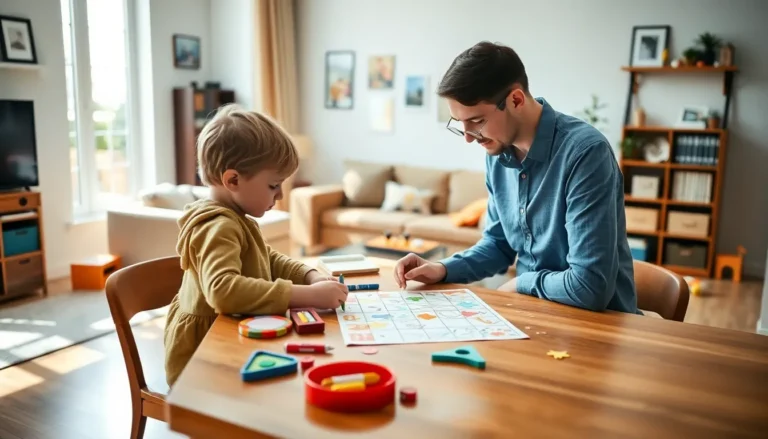
Gentle parenting sounds like a soft approach, doesn’t it? Picture a serene child floating on clouds of empathy while parents relax in a hammock sipping lemonade. But in reality, gentle parenting is about more than just tranquility. It’s about raising emotionally intelligent kids and cultivating strong relationships. Curious how? Jump into these gentle parenting tips that are about to redefine your parenting approach, sprinkle in some laughter, and bring balance to the chaos of parenthood.
Understanding Gentle Parenting

Gentle parenting goes beyond just avoiding yelling or punishment. It’s about fostering a respectful and supportive relationship between parent and child. This approach emphasizes understanding children’s emotional needs and responding to them with empathy. Instead of using fear or intimidation, gentle parenting nurtures growth and connection. When parents adopt this method, they embark on a journey of patience and understanding, creating a nurturing environment where a child can thrive. This practice also encourages parents to reflect on their values, leading to a more conscious and caring approach to raising children.
Core Principles of Gentle Parenting
At the heart of gentle parenting lie key principles that guide parents in their journey. These principles are the foundation that supports a nurturing atmosphere:
- Empathy: Understanding how children feel is crucial. Responding to emotional outbursts with compassion instead of frustration fosters trust.
- Respect: Treating children as individuals with their thoughts and feelings teaches them the value of respect in relationships.
- Connection: Building strong connections through quality time is essential. Engaging in shared activities strengthens bonds.
- Guidance over Punishment: Instead of resorting to punishment, guiding children toward understanding the consequences of their actions helps them learn.
Practical Gentle Parenting Tips
Parents often seek practical ways to carry out gentle parenting in their daily routines. Here are some actionable tips to consider:
Building Emotional Intelligence in Children
Encouraging children to express their feelings is vital. When a child experiences anger or sadness, parents should create a safe space for open dialogue. Validate their emotions by saying things like, “I can see you’re upset. Let’s talk about it.” By naming feelings, parents help their children understand and manage emotions more effectively.
Effective Communication Techniques
Communication is the key to any relationship. Using clear and simple language can go a long way when talking to children. Instead of commands, use positive phrasing. For example, instead of saying, “Stop running,” a better approach would be, “Please walk so you don’t trip.” This technique promotes cooperation and reduces resistance.
Setting Boundaries Without Punishment
Setting boundaries is essential for children’s safety and development, but it doesn’t have to involve harsh punishments. Gentle parents can establish rules calmly and consistently. When a child crosses a boundary, gently remind them of the expected behavior without yelling. For example, if a child refuses to share, a gentle reminder might be, “Remember, sharing is kind. Let’s take turns playing with that toy.” This approach reinforces the boundary while maintaining the child’s dignity, helping them learn through understanding rather than fear.
Dealing with Common Challenges in Gentle Parenting
Gentle parenting isn’t without its challenges. Parents may find themselves feeling overwhelmed when a child tests boundaries or throws tantrums. It’s important to remember that these moments are opportunities for learning. Staying calm is crucial. When faced with a difficult situation, parents should take a deep breath and remind themselves that patience is part of the process.
Also, when off days arise, a gentle reminder to parents is to care for themselves too. Self-care helps maintain the emotional balance needed for effective gentle parenting.
Encouraging Positive Behavior and Cooperation
Positive reinforcement can transform behavior in a gentle parenting framework. Instead of focusing solely on what children shouldn’t do, parents should celebrate what they do right. A simple, “I love how you shared your toys today.” can encourage cooperative behavior.
Also, involving children in the decision-making process can foster cooperation. Allowing children to choose which vegetables to have for dinner or how to organize their play area gives them a sense of ownership and encourages positive engagement.