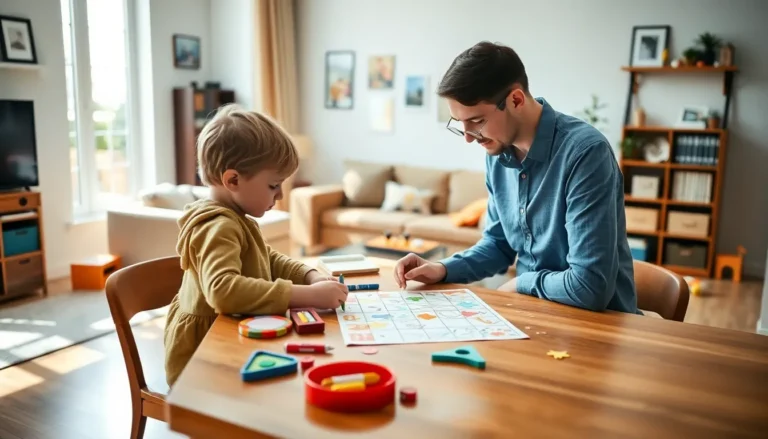
In the grand adventure of parenting, preschool years can often feel like an exhilarating rollercoaster ride, filled with ups, downs, and the occasional surprise that leaves every parent both thrilled and slightly terrified. Navigating this exhilarating phase doesn’t require a degree in child psychology, but a good stash of effective parenting tips. From understanding development milestones to fostering a nurturing environment, these strategies will not only boost your child’s growth but will also help keep your sanity intact. So buckle up: let’s jump into parenting tips that transform those wild, wonderful years into a journey filled with joy and discovery.
Understanding Preschool Development
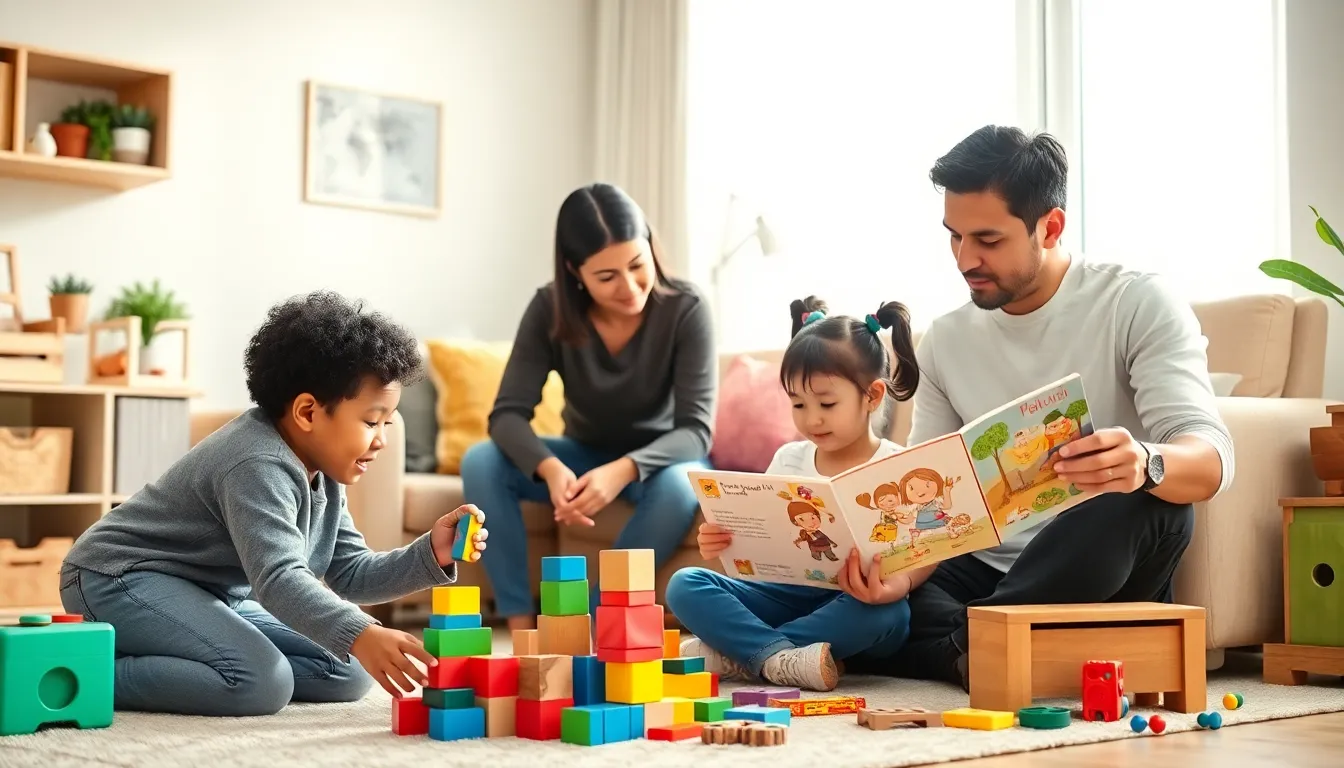
Preschool is a magical time for growth, learning, and the occasional tantrum. Understanding the key stages of preschool development can be a game-changer for parents navigating this vibrant period. Children aged three to five are like little sponges, soaking up knowledge, skills, and social norms.
During these formative years, cognitive development is crucial. At this stage, children begin to grasp basic concepts of numbers, letters, and shapes. They start to experience rapid language growth, picking up new words faster than a child can say ‘mozzarella cheese’. Encourage this development by engaging in conversations, reading together, and asking open-ended questions. Why is the sky blue? rather than simply stating it allows their minds to wander and think critically.
Besides cognitive development, emotional and social skills are blossoming. They learn to share, take turns, and express feelings, though this can sometimes lead to dramatic meltdowns. Being aware of these developmental milestones will help parents tailor their interactions in ways that support progress and foster a secure attachment.
Establishing Routines for Stability
Just like adults thrive on routines, preschoolers do too. Establishing consistent daily routines creates a sense of stability that helps little ones feel secure. A structured environment allows children to predict what happens next, making transitions smoother.
Think of the daily routine as a roadmap. Start with morning rituals like brushing teeth and having breakfast. The key is to keep it simple and consistent. Label activities with a visual schedule so your child knows what to expect. A colorful chart with images can make these routines visually appealing.
As the day unfolds, routines can further include nap times and snack breaks, all vital punctuation points in their busy lives. The predictability helps them feel grounded, and fewer surprises mean fewer explosive tantrums. In the evening, settle into bedtime rituals to ease a child’s transition from playtime to dreamland. Novel routines like reading a story or singing a lullaby can make winding down enjoyable.
Encouraging Independence and Responsibility
In a world where everything seems to require adult supervision, instilling independence in preschoolers can feel like a monumental task. Yet, encouraging children to explore their autonomy not only builds confidence but also fosters a sense of responsibility.
Start by granting small choices. Should the orange shirt or the blue pants be worn? Small decisions empower children and fuel their desire to do more on their own. Next, introduce simple household chores. Whether it’s putting away toys or helping to set the table, these responsibilities can feel momentous when approached positively.
Besides, resist the urge to swoop in and save the day. Let them struggle a bit when learning new tasks. That a-ha moment when they succeed independently? Priceless. Remember, every time they triumph, big or small, their self-esteem gets a boost.
Fostering Emotional Intelligence
Teaching preschoolers emotional intelligence is like giving them a superpower they’ll carry for life. Understanding and managing feelings at a young age leads to improved relationships and social skills later on.
Begin with naming feelings. When your child experiences emotions, whether joy or frustration, label them. I see you’re feeling sad because your toy is stuck. This not only validates their emotions but also gives language to their experiences. Use books and stories to explore characters’ feelings and ask open-ended questions like, What do you think that character is feeling? This encourages empathy and helps them better understand how others might feel.
Model emotional regulation yourself. Show them constructive ways to express feelings, yes, even happy tears strike a chord. When they see their parents navigate emotions calmly, they’re more likely to emulate that behavior.
Creating a Positive Learning Environment
A comfortable and stimulating learning environment is essential when nurturing a preschooler’s love for learning. Transforming your home into a vibrant educational space doesn’t require an HGTV budget. Simple adjustments can invite curiosity and creativity.
Designate a corner in the house as the learning zone. Fill it with books, art supplies, and puzzles to spark creativity. Rotate materials regularly to keep them excited about new possibilities. Kids thrive when they have options, so allow them to choose what to engage with when possible.
Also, a calm atmosphere aids focus. Limit distractions during activities: make certain that the TV is off during dedicated learning time. Positive affirmations and words of encouragement help children feel proud, and it’s incredible how a simple I believe in you. can motivate them to embrace challenges.
Effective Communication Strategies
When it comes to effective communication strategies, embrace a conversational approach. It’s vital to create an environment where preschoolers feel heard and understood. This starts with active listening. Get down to their eye level and engage in the conversation, this helps convey that their thoughts are valued.
Balancing Screen Time and Playtime
In today’s digital age, balancing screen time and playtime is essential. While digital devices can offer educational content, over-reliance on screens can inhibit social interactions and physical play.
Establish guidelines for screen time and ensure content is age-appropriate. Encourage outdoor play and creative activities to foster development beyond the screen. Living in balance will help preschoolers become more well-rounded and better communicate face-to-face.
Engaging in Creative Play and Activities
Creative play is a gateway to learning. Whether it’s building with blocks or engaging in imaginative storytelling, encourage these activities to help kids explore and express themselves. Provide open-ended materials that allow children to create freely. Listen actively and engage with their ideas to strengthen your bond and encourage confidence.
When both parents and children engage in heartfelt conversations, a rich dialogue flourishes, paving the way for meaningful interactions.