Every restaurant has that one dish that defines its culinary identity. Signature dishes are more than just meals; they tell a story about the chef’s creativity and the culture behind the cuisine. These standout plates not only attract food lovers but also create a lasting impression that keeps diners coming back for more.
Exploring signature dishes reveals the heart and soul of a restaurant. From traditional recipes passed down through generations to innovative creations that push culinary boundaries, these dishes showcase the artistry and passion of chefs. In this article, readers will discover what makes these dishes unique and how they reflect the diverse tapestry of global flavors.
Overview of Signature Dishes
Signature dishes serve as the hallmark of a restaurant’s culinary offerings. These dishes encapsulate a chef’s unique style, expertise, and cultural influences. By creating memorable meals, chefs elevate dining experiences and build a restaurant’s reputation.
Signature dishes often become synonymous with the establishments they originate from. Diners seek these standout meals for their distinctive flavors and presentation. Each dish tells a story, blending traditional ingredients with innovative techniques, showcasing the chef’s artistic expression.
The allure of signature dishes also lies in their ability to evoke nostalgia and familiarity while offering new gastronomic experiences. They welcome guests into a restaurant’s ethos, establishing a connection between the culinary and cultural heritage of the cuisine. This connection encourages repeat visits, as diners return to savor dishes that resonated with them.
In sum, signature dishes showcase the essence of a restaurant, drawing on creativity and tradition to create unforgettable dining moments.
Regional Variations of Signature Dishes
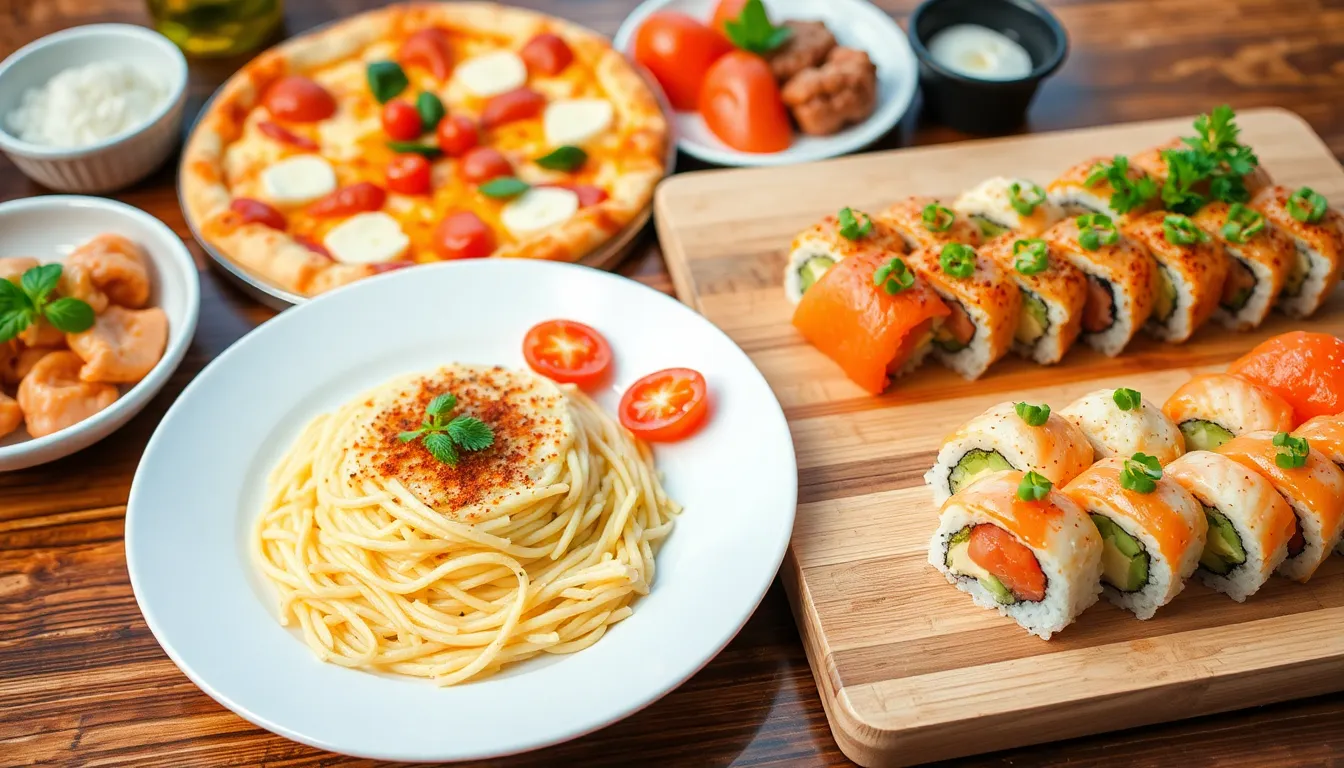

Signature dishes vary greatly across regions, reflecting local ingredients, traditions, and culinary techniques. This diversity highlights the richness of global cuisine.
Signature Dishes in Italian Cuisine
Italian cuisine showcases signature dishes known for their emphasis on fresh ingredients and bold flavors. Classic dishes like Risotto alla Milanese, crafted with Arborio rice and saffron, highlight regional specialties. Osso Buco, a braised veal shank, demonstrates the slow-cooking traditions of Northern Italy. In Southern Italy, Pizza Napoletana represents the culinary heart of Naples, featuring a thin crust topped with San Marzano tomatoes and creamy mozzarella cheese. These dishes not only embody Italian culinary principles but also fuse traditional practices with regional flavors, making each meal unique.
Signature Dishes in Japanese Cuisine
Japanese cuisine features signature dishes that prioritize seasonal ingredients and aesthetic presentation. Sushi, a globally recognized dish, varies by region with styles such as Edomae in Tokyo and Nigiri in Osaka, each reflecting local fish availability and techniques. Ramen, with its rich broth and hand-pulled noodles, changes regionally, with Tonkotsu from Fukuoka showcasing a pork-based broth and Shoyu from Tokyo highlighting soy sauce flavors. Another traditional dish, Kaiseki, offers a multi-course experience that highlights seasonal produce and artful plating, emphasizing the Japanese philosophy of balance and harmony in food.
The Art of Creating Signature Dishes
Signature dishes hinge on quality ingredients and compelling presentation. Chefs meticulously select components that elevate flavors and reflect culinary traditions.
Importance of Ingredients
Ingredients form the backbone of signature dishes. Selecting fresh, high-quality ingredients enhances taste and influences the overall dining experience. Local sourcing supports community agriculture and ensures peak flavor profiles. Seasonal ingredients promote sustainability and keep menus dynamic. A thoughtful combination of textures, colors, and flavors enriches each dish, embodying the chef’s vision.
Presentation Techniques
Presentation techniques play a crucial role in the appeal of signature dishes. Plating transforms food into an art form, captivating diners before the first bite. Clean lines, vibrant colors, and contrasting elements engage the senses. Incorporating unique serving styles elevates experiences, whether using wooden boards, slate tiles, or custom ceramics. Techniques like stacking, drizzling sauces artistically, or garnishing with microgreens add elegance and impact. Each detail conveys the chef’s narrative, inviting appreciation and anticipation.
Cultural Significance of Signature Dishes
Signature dishes hold profound cultural significance, acting as a bridge between culinary heritage and contemporary gastronomy. Each dish serves not just as food but as a cultural artifact that embodies the history, traditions, and values of its origin. Heirloom recipes often reflect regional ingredients and techniques, fostering a connection to specific locales and their agricultural practices.
Diners experience a sense of belonging and identity through signature dishes. They evoke nostalgia and memories, transporting individuals to familiar places and experiences—whether through a cherished family recipe or a dish aligned with community celebrations. This emotional resonance enhances the overall dining experience, creating a strong bond between patrons and establishments.
Signature dishes also play a role in cultural interaction. They act as ambassadors of their respective cuisines, introducing diners to the flavors and culinary practices of different cultures. As cuisines blend and evolve, signature dishes adapt, incorporating global influences while maintaining their traditional roots. This adaptation fosters dialogue and appreciation among diverse culinary traditions.
Moreover, signature dishes contribute to the gastronomic landscape by elevating local culinary arts. They encourage chefs to innovate while respecting their culinary heritage. Chefs often draw inspiration from their backgrounds, transforming classic recipes into modern interpretations that highlight sustainability and local sourcing. This practice not only honors tradition but also nurtures community relationships.
Signature dishes are vital cultural expressions, embodying history, identity, and the art of culinary innovation. They enrich the global dining landscape, inviting exploration and fostering appreciation for diverse culinary traditions.
Signature dishes are more than just meals; they represent a restaurant’s soul and the chef’s creative spirit. These culinary masterpieces invite diners to experience a blend of tradition and innovation that captivates the senses. By showcasing local ingredients and cultural heritage, they forge connections between patrons and their culinary roots.
As diners seek unique experiences, signature dishes stand out as the hallmark of exceptional dining. They tell stories that resonate deeply and encourage a sense of nostalgia while also embracing modern influences. Ultimately, these dishes not only define a restaurant’s identity but also enrich the global culinary landscape, inviting everyone to explore and appreciate the diverse flavors that unite us all.