World of Warcraft (WoW) has captivated millions since its launch in 2004, evolving through a series of expansions that continually reshape its vast universe. Each expansion introduces new lands to explore, quests to conquer, and mechanics that keep players on their toes. From the dark realms of the Burning Crusade to the vibrant landscapes of Shadowlands, these expansions not only enhance gameplay but also deepen the lore that fans have come to love.
As players journey through Azeroth and beyond, they encounter fresh challenges and stories that breathe new life into the game. Understanding the evolution of these expansions reveals how Blizzard Entertainment has expertly crafted an ever-expanding world that keeps adventurers engaged. Dive into the rich history of WoW expansions and discover what makes each chapter unique in this legendary MMORPG saga.
Overview Of WoW Expansions
World of Warcraft (WoW) features multiple expansions that each expand the game world and enrich gameplay. Each expansion introduces new regions, quests, and gameplay mechanics that enhance player experiences.
| Expansion | Release Year | Key Features |
|---|---|---|
| The Burning Crusade | 2007 | Introduced the shattered world of Outland and two new races: Blood Elves and Draenei. |
| Wrath of the Lich King | 2008 | Focused on Northrend and included the Death Knight class along with iconic villain Arthas. |
| Cataclysm | 2010 | Revamped the original world, altered zones, and raised the level cap to 85. |
| Mists of Pandaria | 2012 | Introduced the continent of Pandaria and the Monk class, emphasizing exploration and lore. |
| Warlords of Draenor | 2014 | Explored an alternate Draenor and introduced the Garrison feature for player housing. |
| Legion | 2016 | Brought the Burning Legion as the main antagonistic force and allowed players to choose the Demon Hunter class. |
| Battle for Azeroth | 2018 | Focused on faction conflict between the Alliance and Horde, introducing new races and features like Island Expeditions. |
| Shadowlands | 2020 | Explored the realms of the afterlife and introduced new covenants, affecting player abilities. |
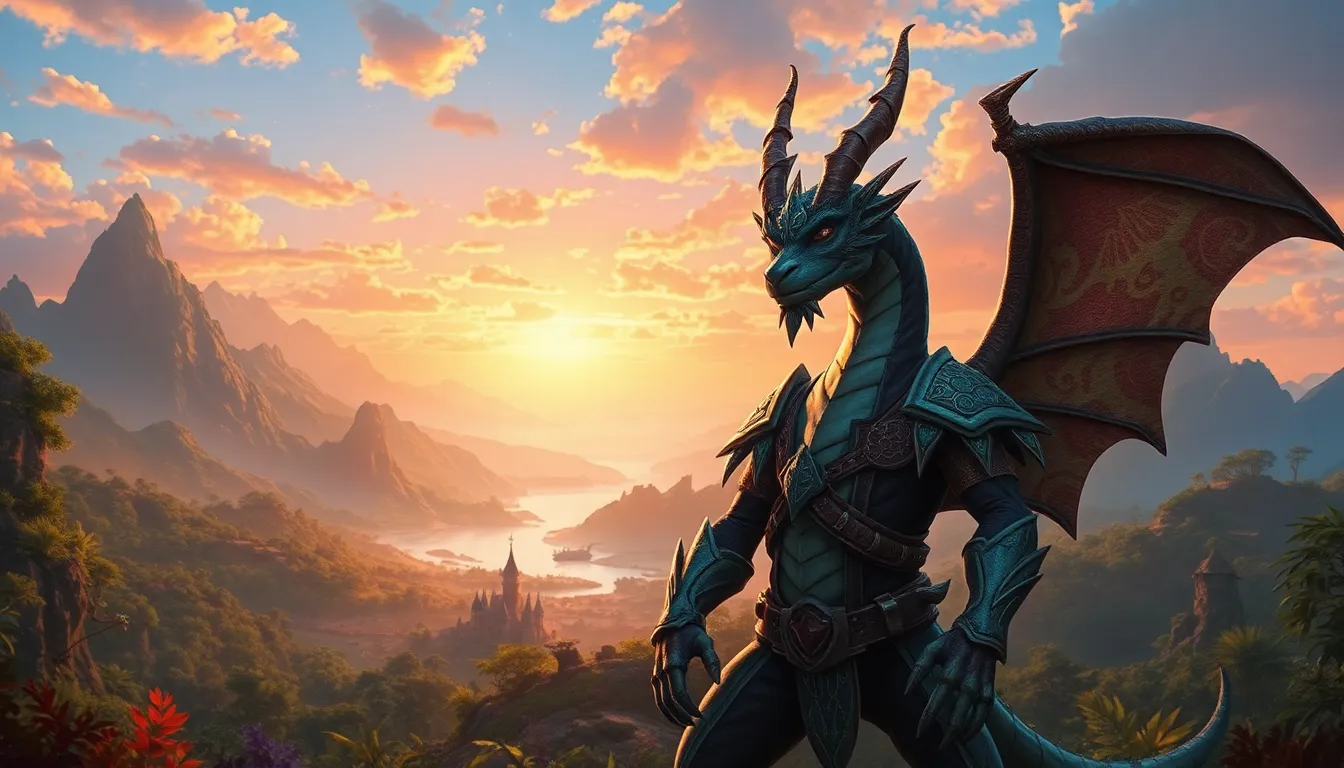
| Dragonflight | 2022 | Returned to Azeroth’s roots with the Dragon Isles and introduced the Dracthyr race and Evoker class. |
Players engage with each expansion to experience enriched lore and new challenges. As they explore the evolving landscape of Azeroth and beyond, the game continues to adapt and grow, offering fresh content and experiences tailored to various playstyles.
The Evolution Of WoW Expansions
World of Warcraft (WoW) has undergone significant transformations through its expansions. Each expansion brings unique features, enhancing gameplay and lore, which captivates players.
Classic Era Expansions
The Classic Era includes the game’s initial offerings, setting the foundation for future developments.
- The Burning Crusade (2007): Introduced the shattered world of Outland, adding two new races: Blood Elves and Draenei. It featured a level cap increase from 60 to 70 and the first raid content in a new 25-man format.
- Wrath of the Lich King (2008): Expanded the narrative with the rise of the Lich King. New zones such as Northrend appeared, introducing the Death Knight class and raising the level cap to 80.
Modern Era Expansions
Modern Era expansions further diversified gameplay and developed the overarching narrative.
- Cataclysm (2010): Redefined the existing world, altering many classic zones due to Deathwing’s return. The level cap increased to 85, with new races like Goblins and Worgen.
- Mists of Pandaria (2012): Introduced the continent of Pandaria and the Monk class, increasing the level cap to 90. The expansion focused on exploration and lore related to the Pandaren.
- Warlords of Draenor (2014): Revamped the original Draenor with new content and the introduction of garrisons. This expansion raised the level cap to 100.
- Legion (2016): Brought back the Burning Legion, adding the Demon Hunter class and increasing the level cap to 110. New zones and the Artifact system enhanced character progression.
- Battle for Azeroth (2018): Focused on the conflict between the Horde and Alliance, adding Allied Races with unique traits. The level cap rose to 120, and new zones like Kul Tiras and Zandalar were introduced.
- Shadowlands (2020): Explored the realms of the afterlife, introducing the Covenants system. It introduced significant changes to leveling, reducing the cap back to 60.
- Dragonflight (2022): Feature the Dragon Isles with the Dracthyr race and the Evoker class. This expansion reintroduced class talent trees, enhancing customization options for players.
These expansions collectively showcase WoW’s ongoing evolution, ensuring engaging and dynamic gameplay experiences for its players.
Notable Features Of Each Expansion
Each World of Warcraft (WoW) expansion introduces distinct features that enhance gameplay and deepen storytelling. The expansions continually shape the player experience, fostering engagement through new mechanics and rich narratives.
Gameplay Mechanics
- The Burning Crusade (2007): Introduced flying mounts, allowing players to explore the expansive skies of Outland and improving mobility across the game world.
- Wrath of the Lich King (2008): Added the Death Knight class, introducing a unique playstyle with a focus on rune-based mechanics and a compelling starting experience in the icy region of Northrend.
- Cataclysm (2010): Revamped the existing zones with significant landscape changes and increased level cap to 85, enhancing questing and exploration opportunities.
- Mists of Pandaria (2012): Debuted the Monk class and integrated a new resource system involving Energy and Chi, offering a fresh combat experience and new ways to approach PvE and PvP.
- Warlords of Draenor (2014): Introduced the Garrison system, allowing players to manage their own base, recruit followers, and access new crafting options.
- Legion (2016): Brought the Demon Hunter class into play, featuring a unique double-jump mechanic and a narrative centered around the Burnign Legion invasion.
- Battle for Azeroth (2018): Focused on faction conflicts, introducing Allied Races that added unique racial abilities, enriching gameplay diversity.
- Shadowlands (2020): Explored the afterlife with new covenants, providing players with customizable powers and new narrative paths based on their chosen covenant.
- Dragonflight (2022): Introduced the Dracthyr race and Evoker class, focusing on hybrid gameplay elements, including aerial combat mechanics and class-specific abilities.
Storyline Developments
- The Burning Crusade (2007): Established the shattered world of Outland and the struggle against the Burning Legion, building on Warcraft’s longstanding lore.
- Wrath of the Lich King (2008): Expanded the narrative with the rise of the Lich King, culminating in a battle against a pivotal antagonist in WoW history.
- Cataclysm (2010): Rewrote the history of Azeroth, causing cataclysmic events that directly affected the game’s world and lore.
- Mists of Pandaria (2012): Introduced the Pandaren race, delving into themes of balance and conflict, enriching the cultural narrative tapestry of Azeroth.
- Warlords of Draenor (2014): Explored an alternate timeline, emphasizing the struggle against the Iron Horde and showcasing the impact of choices on reality.
- Legion (2016): Centered around the resurgence of the Burning Legion, fostering a narrative of unity against overwhelming odds and character evolution.
- Battle for Azeroth (2018): Focused on the longstanding rivalry between the Horde and Alliance, deepening faction lore and character relationships.
- Shadowlands (2020): Examined the realms of the afterlife and introduced fresh lore about the cosmos, focusing on the nature of life and death.
- Dragonflight (2022): Unveiled the history of the dragons while introducing new threats and narratives that promote exploration and discovery in a previously uncharted region.
Player Reception And Community Impact
Player reception to World of Warcraft (WoW) expansions has significantly shaped the game and its community dynamics. Each expansion has often sparked discussions and debates within the player base, influencing future development and gameplay direction.
Expansions That Shaped The Game
Multiple expansions have had lasting impacts on WoW.
- The Burning Crusade (2007): First expansion that introduced Outland, new races (Blood Elves and Draenei), and flying mounts, fundamentally altering exploration dynamics.
- Wrath of the Lich King (2008): Brought the iconic Lich King as a narrative focal point and added the Death Knight class, enhancing the lore and gameplay depth.
- Cataclysm (2010): Completely redefined the original game world, leading to fresh quest lines and reshaped landscapes, which revitalized player engagement.
- Legion (2016): Revamped class systems and introduced artifact weapons, deepening player strategies and fostering community collaboration in high-level content.
- Shadowlands (2020): Focused on the afterlife narrative, it reshaped player perspectives on mortality and the consequences of choices made in-game.
These expansions not only introduced new mechanics but also solidified community bonds through cooperative gameplay and shared experiences.
Controversial Releases
Various expansions have generated controversies that sparked intense discussions among players.
- Warlords of Draenor (2014): Received criticism for its ending content and an underdeveloped Garrison system, leading to player dissatisfaction.
- Battle for Azeroth (2018): Faced backlash due to perceived faction imbalances and unresolved storylines, which affected player engagement rates.
- Shadowlands (2020): Lauded for its story but criticized for its grind-heavy systems and balance issues, changing player sentiment on reward structures.
Each controversy fostered community debates, prompting developer responses and adjustments, thereby reflecting the ongoing dialogue within the player community.
Future Of WoW Expansions
The future of World of Warcraft expansions looks promising with potential directions for gameplay and storytelling. Developers focus on both expanding the game’s vast lore and introducing innovative mechanics that enhance player engagement.
Expected Themes
- New Realms: Expansions may introduce entirely new realms, encouraging exploration and discovery. Expanding the known universe can provide fresh narratives and challenges.
- Advanced Mechanics: Enhanced combat systems and customizable gameplay elements could be on the horizon. Players may see more choices in character development and unique abilities.
- Story Depth: Developers might delve deeper into existing lore, linking past and future events for a cohesive narrative. This approach can improve emotional investment in characters and storylines.
Community Influence
- Player Feedback: Continued player feedback shapes future expansions. Developers evaluate community responses to improve game mechanics and storytelling techniques.
- Inclusive Content: The focus on inclusivity can lead to broader representation within the game. This shift enhances community engagement and attracts diverse player demographics.
Technology Integration
- Improved Graphics: Advancements in game graphics can enhance immersion. Future expansions may feature higher fidelity environments and character models, elevating the overall gaming experience.
- Cross-Platform Play: Implementing cross-platform capabilities could unify the player base. This technology encourages cooperative gameplay across various devices, expanding the community.
Upcoming Features
| Feature | Description |
|---|---|
| New Races | Potential new races with unique abilities and lore. |
| Expanded Customization | Increased options for character appearance and skills. |
| Enhanced Events | Larger-scale in-game events with dynamic player involvement. |
The trajectory of WoW expansions demonstrates a commitment to evolution and adaptation in response to player input and emerging gaming trends. This focus ensures that World of Warcraft remains a dynamic and appealing MMORPG.
World of Warcraft expansions have significantly shaped the game’s landscape since its inception. Each expansion brings unique features and rich storytelling that captivate players and deepen their connection to Azeroth. The balance between innovation and tradition keeps the community engaged and eager for what’s next.
As the game continues to evolve, the focus on player feedback and technological advancements promises an exciting future. With new realms to explore and enhanced gameplay mechanics on the horizon, WoW is poised to maintain its status as a beloved MMORPG. The journey through its expansions remains a testament to the game’s enduring legacy and its ability to adapt to the desires of its dedicated player base.